

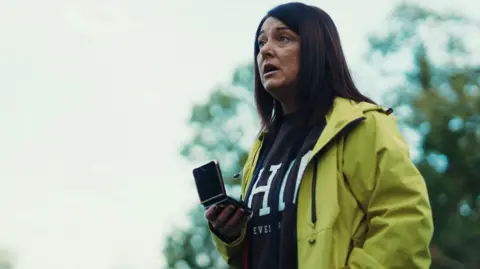
During an conversation near a community green space in the town, a woman approached.
May I question why you’re allowing these individuals to use this area?” she asked while recording the exchange on her mobile device.
The person we were discussing with for our report was staying in a close asylum hotel, where angry rallies had been occurring since the warmer months.
The individual mentioned that men from the facility had been following local youths, and asked that we take our conversation to another location.
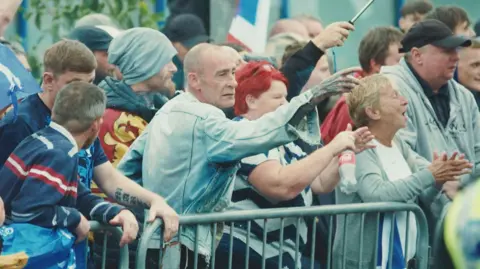
Suddenly, a number of residents who we didn’t see participating in activities in the vicinity emerged over the hill.
She told me it was my fault they were there and if “any incident occurs here, you’re responsible.”
The woman shared her recording to the internet. It was viewed countless of times after being distributed by conservative figures.
She was celebrated as a hero for standing up for families.
I was deluged with abuse and told that I should leave the area.
I disagree that my interview with this individual, who subsequently withdrew consent its use, put anyone in danger.
But this incident, and its aftermath, gave me perhaps the clearest understanding yet into the anxiety some within the area – and beyond – have about individuals in their communities.
Local Concerns and Protests
There are about six thousand three hundred people requesting protection in the country, many of whom came via small boats across the sea.
About a fourth live in hotels while the UK government determines whether to grant them protection.
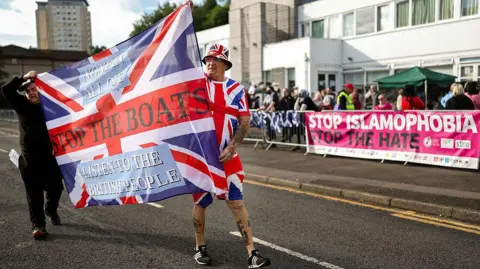
We’ve spent the last few weeks recording at protests against the accommodations around the region.
In the community, there are more than eleven thousand names on the housing list, awaiting new residences. There is anger at a perception that these individuals – and it is solely men in the local facility – have jumped the queue.
Asylum seekers are not generally authorized to have jobs while their applications are being processed and receive an allowance of £1.42 a day to subsist on. With provided food, accommodation and no expenses to pay, it frustrates of several.
“They’re getting TV, they receive heating, they receive garments, they’re getting mobile devices, they have health services and if you feel that’s fair in our nation right now, I disagree.”
Cell phones are not provided by the government but are commonly given to Cladhan residents by organizations who support them.
Security Worries and Community Divisions
The residents in the facility are from a variety of nations, including Asia, Sudan and Eritrea, and all state they need asylum from persecution.
Periodically we could see them looking from behind covered windows, as chants of “Return them! Deport them!” ricocheted through the roads.
The facility was formerly a preferred location for wedding receptions, special occasions and functions.
Little notice was provided or consultation arranged with the residents that up to numerous asylum seekers were going to be placed here in the past.
“There exists a feeling that something is being forced upon them from above by authorities who don’t understand or concern themselves what the impact is going to be.”
All the costs of housing individuals in accommodations, about a significant amount a year across the United Kingdom, are met by the UK government.
Falkirk Council’s leader stated no asylum seeker was given preference over anyone else.
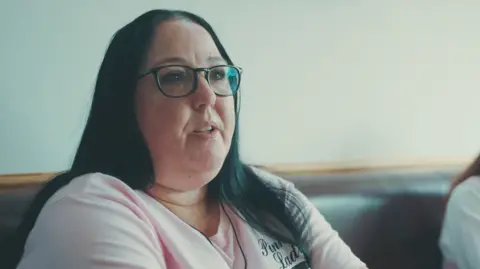
But it’s not just pressure on facilities which has got individuals out on the public spaces. There is concern, too.
Ex individual a person, from a foreign country, was jailed in June for the rape of a 15-year-old local girl.
“It killed me to know that that girl’s life was destroyed.”
“We ought not be living in fear,” she continued.
In 2023, the time of the individual’s crime, there were eighty-two reports of violent crimes in Falkirk.
Police Scotland states it does not keep information detailing whether individuals are asylum seekers or not.
From news coverage, it suggests an incident was carried out by an asylum seeker that time – by the individual.
“Local individuals do this too, but the reality is that the vessels are still arriving. They [the refugees] have a different belief.”